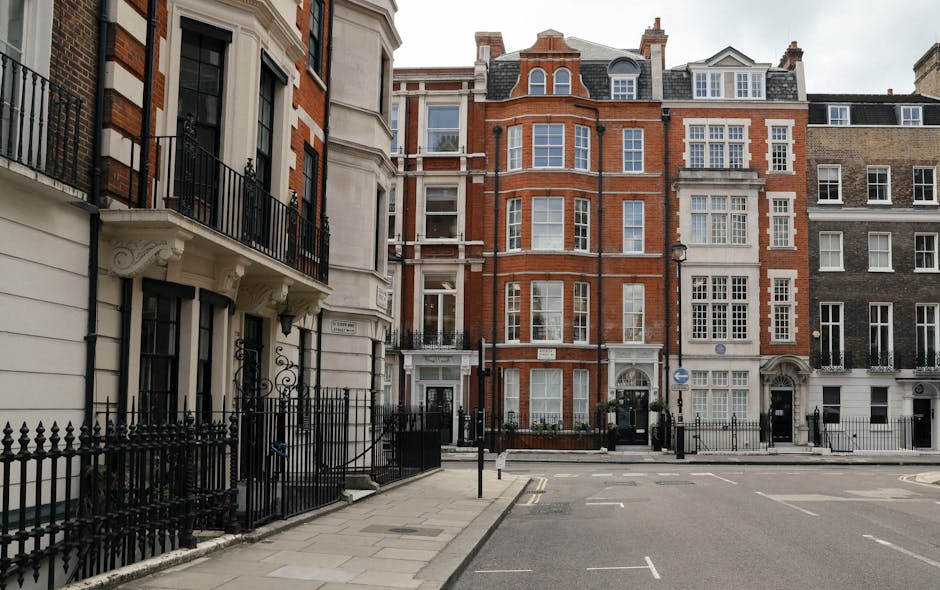
Belgravia man with a van tips for narrow streets and stairs
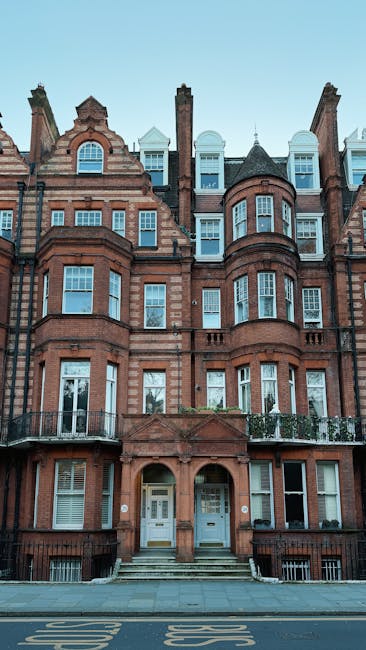
If you are moving in Belgravia, the tricky part is often not the distance. It is the access. Narrow mews streets, tight turning points, basement flats, long front steps, shared hallways, and those lovely-but-stubborn Georgian staircases can turn a simple move into a slow, stressful day. These Belgravia man with a van tips for narrow streets and stairs are designed to help you plan properly, protect your belongings, and keep the move calm rather than chaotic.
Truth be told, a good move in this part of London is about preparation as much as muscle. The right vehicle, the right packing, and the right loading order can save time, reduce risk, and make the whole thing feel a lot less punishing. If you are comparing options, you may also want to look at man and van services, man with a van support, or broader home move help depending on how much you need moved.
Below, you will find a practical guide built around real access problems: stairwells, tight kerbs, parking limits, awkward corners, and the little details that make a surprisingly big difference. Let's get into it.
Why Belgravia man with a van tips for narrow streets and stairs Matters
Belgravia is elegant, busy, and not exactly built for easy loading. That is the heart of it. Streets can be narrow, parking can be awkward, and a van might not be able to sit right outside the door. If your flat is up two flights with no lift, or your furniture has to pass through a tight landing, the job changes quickly from a standard collection to a more careful removal.
Why does this matter so much? Because the smallest access issue can snowball. A sofa that looked manageable in a hallway suddenly becomes impossible on a bend. A wardrobe that seemed light enough turns into a two-person carry. And if the van is parked too far away, every extra metre adds time, fatigue, and risk.
In Belgravia, planning for access is not overthinking. It is just sensible. A move that looks simple on paper can take much longer on the day if you have not thought about stairs, permits, loading space, or whether the route from van to front door is actually clear. That is especially true for older buildings, basement homes, and period properties with narrow internal staircases.
Key takeaway: In Belgravia, the win is rarely about moving faster. It is about moving smarter: shorter carry routes, smaller loads, safer lifting, and a van plan that fits the street instead of fighting it.
How Belgravia man with a van tips for narrow streets and stairs Works
A good man with a van move starts before anyone lifts a box. First, the access is assessed. That means checking the street width, the likely parking position, the number of stairs, any bends on the staircase, and whether there is a lift or just a long climb. If there is a basement, you also need to think about moisture, low ceilings, and steps that can catch the edge of larger items. Small details. Big consequences.
Next comes planning the load order. The heaviest and most stable items normally go in first, positioned so they do not shift during transit. Fragile items are layered in after that, with blankets, straps, and padding used to stop knocks. When stairs are involved, the order of removal from the property matters too. You want the easiest-to-carry items out first if they help clear a route, or the biggest items out first if those are the hardest to manoeuvre. There is no single perfect method every time; it depends on the property.
Then there is the actual street-side operation. In narrow Belgravia streets, timing matters. If you can avoid peak traffic or delivery rushes, the move can run more smoothly. The van may need to stop briefly, load in stages, and move on rather than sit in one spot. That is one reason a flexible moving van setup can be so useful in tight urban areas.
Finally, the stair strategy matters. Good movers do not force large furniture around tight corners. They measure, angle, rotate, protect walls and banisters, and decide when an item should be dismantled before it causes trouble. Sometimes the best move is the boring one: take it apart, wrap it properly, and reassemble later. Boring is good. Boring gets the job done.
Key Benefits and Practical Advantages
When the access plan is right, you get more than just a successful move. You get a noticeably better day. Here are the main advantages people tend to feel straight away.
- Less risk of damage: tight corners and narrow stairs are where scrapes happen. Planning reduces that risk.
- Faster loading and unloading: if the van is positioned well and the route is clear, the team wastes less energy.
- Lower physical strain: fewer awkward carries means less lifting on stairs and less chance of someone twisting or overreaching.
- Better use of space: the van can be loaded efficiently when items are grouped by size and fragility.
- Less disruption to neighbours: in a place like Belgravia, keeping the move tidy and efficient helps with shared entrances, pavements, and quiet residential streets.
- More predictable timing: clear access planning helps prevent delays that can spread through the whole day.
Another big benefit is peace of mind. You know those moves where nobody seems quite sure whether the sofa will fit? That uncertainty drains energy before the day has even started. A proper access plan removes a lot of that worry.
Who This Is For and When It Makes Sense
This kind of move planning is especially useful if you live or work in a property with awkward access. That includes basement flats, top-floor apartments, converted townhouses, mews houses, and any home where the staircase seems to have been designed by someone who had never seen a wardrobe.
It also makes sense for:
- people moving one or two bulky items rather than an entire house
- tenants leaving or entering period properties
- small office moves in central London buildings
- landlords arranging furniture clearance
- families who want help with fragile or heavy items only
If your move is more than a simple carry, but not enough to justify a full-scale lorry, a focused service like man with van removal or broader removal services can be a better fit. It is often a practical middle ground: enough support to handle the awkward bits, without overcomplicating the job.
To be fair, some people only realise they need this level of planning after one bad experience. A corner gets scratched. A table leg gets stressed. Someone mutters, "it should fit," and then it really, really does not. If that sounds familiar, you are not alone.
Step-by-Step Guidance
Here is the simplest way to approach a Belgravia move when narrow streets and stairs are part of the picture.
1. Measure the awkward bits first
Measure stairs, landings, doorways, and the longest item you need to move. Do not guess. Measure. A tape measure is not glamorous, but it is often the most useful thing in the room.
2. Check outside access
Look at the street outside your property. Is there room for a van to wait safely? Is loading likely to be curbside only? Will the driver need to park a short walk away? If the street is especially narrow, plan for hand-carrying between the van and the entrance.
3. Decide what should be dismantled
Bed frames, large wardrobes, and some shelving units are usually easier to move if partially dismantled. That is especially true in stair-heavy buildings. Keep screws, fittings, and small parts in labelled bags. Very unglamorous. Very effective.
4. Pack for movement, not just storage
Boxes should be sealed properly and not overfilled. Heavy books in one box? Bad idea. A box of books can become a brick. Spread weight sensibly and avoid creating items that are too heavy to manage on stairs.
5. Protect the route
Use blankets, corner guards, and floor protection where needed. Banisters, paintwork, and stair edges are the usual trouble spots. In older Belgravia properties, the finish is often part of what people love about the home, so it deserves some care.
6. Load in a practical order
Put larger, solid items in first and build around them with softer, smaller items. Keep essentials accessible if you will need them quickly at the destination.
7. Work in stages if the access is tight
Sometimes the smartest approach is to move items in waves. This is especially useful when the pavement is narrow, the stairwell is cramped, or the van cannot remain parked for long.
8. Re-check before leaving
Do one final sweep of cupboards, behind doors, and under beds. It is always the small item, somehow, that gets forgotten.
Expert Tips for Better Results
These are the little things that often separate a stressful move from a smooth one.
- Use colour-coded labels: it sounds simple because it is simple, and that is usually a good sign.
- Keep stair carry paths clear: shoes, bags, and loose rugs are just trip hazards waiting for their moment.
- Wrap corners before you wrap the whole item: edges are where damage starts.
- Plan the van load around the staircase: if an item is hard to bring down, make sure it is not buried behind everything else.
- Tell the mover about tight turns in advance: surprises on the day are rarely helpful.
- Use two people for awkward items: a solo carry looks efficient until the staircase says otherwise.
One practical tip that people forget: keep a clear "landing zone" inside the property. Even a small space by the door makes a big difference when items are being brought down one by one. It reduces clutter, keeps the team moving, and stops everyone stepping over half-packed boxes like they are playing some weird little obstacle course.
If you are dealing with a larger move, it may also be worth checking whether packing and unpacking services would save you time. Sometimes it does not matter how organised you are; life is just full of stuff. And packing can eat a whole weekend before you know it.
Common Mistakes to Avoid
A lot of access problems are avoidable. Not all of them, of course, but many. These are the ones worth watching for.
- Assuming furniture will fit without measuring: stairs and landings are where confidence meets reality.
- Leaving parking until the last minute: in narrow Belgravia streets, a van may need a clear, sensible stopping point.
- Overpacking boxes: a box that is too heavy is more likely to drop, split, or slow everyone down.
- Forgetting to protect walls and corners: one scrape can create avoidable stress.
- Not checking for low ceilings or tight bends: especially important in converted buildings and basement entrances.
- Trying to move large items assembled: sometimes it works, often it does not.
- Ignoring weather: rain on a narrow stairwell is annoying at best and slippery at worst.
There is also the classic mistake of underestimating time. A move with stairs usually takes longer than a ground-floor collection. That is not a failure; it is just the maths of the situation.
Tools, Resources and Recommendations
You do not need a van full of specialist kit, but a few basic tools make life much easier.
- Blankets and furniture pads: useful for protecting polished wood, painted walls, and delicate finishes.
- Straps and rope: for keeping items secure in the vehicle.
- Corner protectors: especially handy in narrow stairwells.
- Dolly or sack truck: only where the route allows it; stairs often mean more hand carrying.
- Labels and marker pens: small detail, huge benefit.
- Tape measure: probably the most underrated moving tool in existence.
- Gloves with a good grip: helpful when carrying heavier items through awkward spaces.
For local customers who want a broader service, it is worth reading the company's insurance and safety information and reviewing health and safety guidance before moving day. That kind of reading is not exciting, I know. But it can answer the questions that matter most when access is tight.
If you are comparing providers, checking pricing and quotes early is sensible too. The cheapest option is not always the best one when there are stairs, awkward corners, or fragile items in play. Sometimes the real cost is in the time and risk you avoid.
Law, Compliance, Standards, or Best Practice
When moving in London, there are a few practical standards and duties worth keeping in mind. You do not need to become a transport specialist, but you should expect proper handling, sensible loading, and care for public spaces.
In everyday terms, best practice means the mover should:
- carry items safely and avoid unnecessary risk
- load the vehicle securely so items do not shift in transit
- respect parking restrictions, access rules, and neighbour boundaries
- use reasonable care around shared hallways, stairs, and entrances
- communicate clearly if access conditions affect timing or pricing
For many Belgravia properties, the practical issue is not formal compliance alone. It is courtesy, planning, and safety. Buildings often have shared access, and people are understandably careful about damage. That is why a tidy, well-run move matters. It is not just professional; it is considerate.
If you are moving into or out of a home with sensitive finishes, listed-style details, or simply a lot of foot traffic through a common entrance, sensible moving practice becomes even more important. Use it as a standard, not an afterthought.
Options, Methods, or Comparison Table
Not every job needs the same approach. Here is a simple comparison to help you choose.
| Approach | Best for | Pros | Watch out for |
|---|---|---|---|
| Single man with a van | Small loads, a few bulky items, short local moves | Flexible, cost-effective, easier in narrow streets | May take longer for heavy stair carries |
| Two-person man and van | Furniture, stair-heavy properties, awkward items | Safer handling, faster lifting, better for large pieces | Can cost a little more than solo help |
| Full removal service | Larger home moves, multiple rooms, complex access | More support, better for complex logistics | May be more than you need for a small job |
| Mixed DIY and professional help | People moving part of a home or only selected items | Flexible budget control, useful for lighter jobs | Requires more planning on your side |
For some readers, a local removals near me search will lead to a broader move package rather than a simple collection. That can be a good thing if the property access is especially awkward or if you have a lot of furniture to get out safely.
Case Study or Real-World Example
A typical Belgravia move might involve a one-bedroom flat on the first or second floor of a period property, with a narrow staircase and a curbside loading point around the corner rather than directly outside the front door. Nothing dramatic. Just enough complications to make timing important.
In a case like that, the best results usually come from splitting the job into stages. The movers would first clear the tallest and hardest items, such as a bed frame or wardrobe sections, while keeping smaller boxes stacked near the entrance. If the staircase has a bend halfway up, the large furniture may be wrapped and carried carefully in the upright position, then rotated only where space allows. You can almost hear the scrape of cardboard, the thud of careful footsteps, the quiet "steady, steady" from someone on the stairs.
What helped most was not speed. It was planning. The team knew the van would need to stay close to the property for only a short window, so the loading order was chosen to match the street situation. The resident had measured the staircase in advance and removed shelves from a cupboard that would have caught on the corner. That tiny bit of prep saved a lot of hassle.
That is the real lesson here. Small adjustments prevent big problems.
Practical Checklist
Before move day, run through this checklist.
- Measure the widest and narrowest points in the staircase and doorways
- Check whether the van can stop safely nearby
- Decide what needs dismantling
- Label boxes by room and priority
- Wrap furniture corners and fragile surfaces
- Clear hallways, landings, and the front path
- Tell the mover about lifts, basement access, or tight turns
- Keep essentials separate for easy access
- Confirm timing, parking expectations, and contact details
- Review terms and conditions before booking if you want clarity on service scope
If the job is more involved than expected, you might also check whether a movers service or a more complete man with van setup fits better. Better to choose the right level of help now than realise halfway up a staircase that you needed another pair of hands.
Conclusion
Belgravia moves can be wonderfully straightforward when access is planned properly, even if the streets are tight and the stairs are a bit unforgiving. The trick is to think like a mover before the mover arrives: measure, clear, label, protect, and be realistic about what the building will allow. Once you do that, the whole day tends to feel lighter.
And if your move also involves furniture disposal or clearing items you no longer need, it may be worth looking at furniture pick up as part of the wider plan. A tidy move is a nicer move. Simple as that.
Get a free quote today and see how much you can save.
With the right preparation, even a narrow staircase and a tight Belgravia street can feel manageable. One step at a time, literally.
Frequently Asked Questions
How do I move furniture in Belgravia when the streets are too narrow for easy parking?
The safest approach is to plan for a short carry from the van to the property, rather than expecting the vehicle to sit right outside. Measure the route, clear the path, and allow extra time for loading and unloading. In narrow streets, that small bit of planning makes a big difference.
What should I do if my staircase is too tight for a sofa or wardrobe?
First, measure the item and the staircase carefully. If it still looks too tight, dismantle the furniture where possible or choose an alternative route if the property allows one. Forcing furniture around a tight bend usually creates damage, and nobody wants that.
Is a man with a van suitable for Belgravia basement flats?
Yes, often it is. Basement access just needs a bit more care because stairs, damp steps, and lower ceilings can make carrying awkward. A smaller, more agile service can be a very good fit when access is limited.
How far in advance should I book a move with stairs involved?
As early as you can, especially if you need a specific time slot or have a particularly difficult property. Complex access moves often take more planning, and early booking gives you more flexibility.
Do I need to dismantle furniture before a narrow-street move?
Not always, but it is often the sensible choice for large pieces such as beds, wardrobes, and shelving units. If an item is likely to catch on stairs or corners, dismantling usually saves time and stress.
What is the best way to protect walls and banisters during a move?
Use furniture blankets, corner protection, and careful carrying techniques. The route should be cleared before the move starts, and fragile painted surfaces or polished wood should be treated with extra care.
Will a van driver wait if parking is limited in Belgravia?
That depends on the specific job and local conditions, but limited parking should be discussed before the move. It is much easier to plan a realistic loading window than to improvise once the street starts filling up.
How can I make stairs easier on move day?
Keep the staircase clear, label boxes by priority, and avoid overpacking them. If possible, place items near the exit before the movers arrive so there is less back-and-forth on the stairs.
Should I choose a full removals team instead of a man and van service?
If you have a larger property, lots of furniture, or particularly awkward access, a fuller service may be more practical. For smaller moves or a few bulky items, a man and van setup is often the better middle ground.
Can I save money by doing part of the move myself?
Yes, sometimes. Many people pack smaller boxes themselves and hire help for heavy furniture or stair work. Just be honest about what you can manage safely, because an overambitious DIY carry on a narrow staircase is rarely worth it.
What should I ask before booking a local move in Belgravia?
Ask about access planning, stair handling, parking expectations, item protection, and whether the quote includes loading and unloading help. If anything feels unclear, ask again. Good communication up front prevents awkward surprises later.
How do I know if I need packing help as well?
If you are short on time, moving fragile items, or dealing with a lot of rooms, packing help can be a real relief. It is especially useful if you want the move to feel more organised and less like a last-minute scramble.